

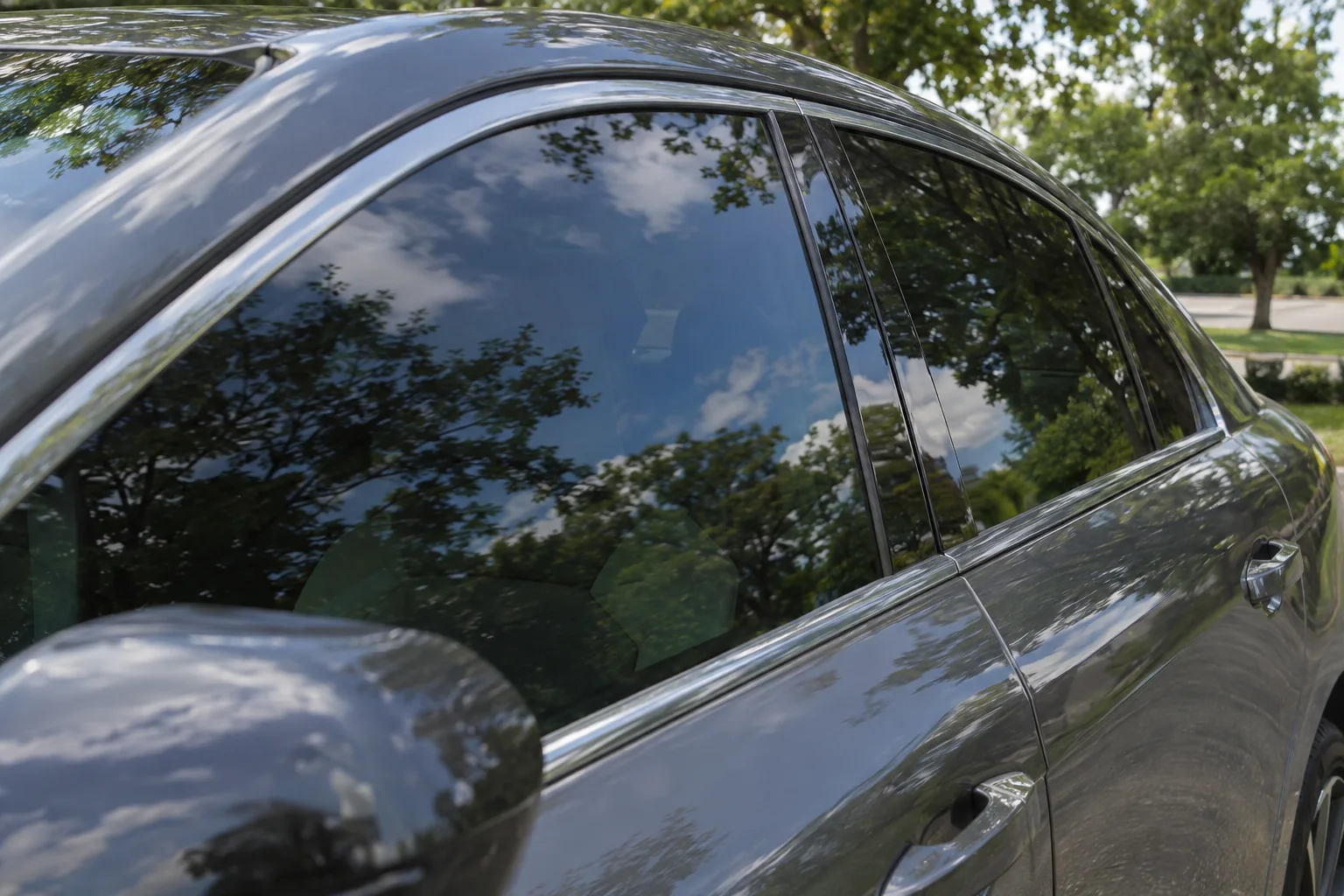
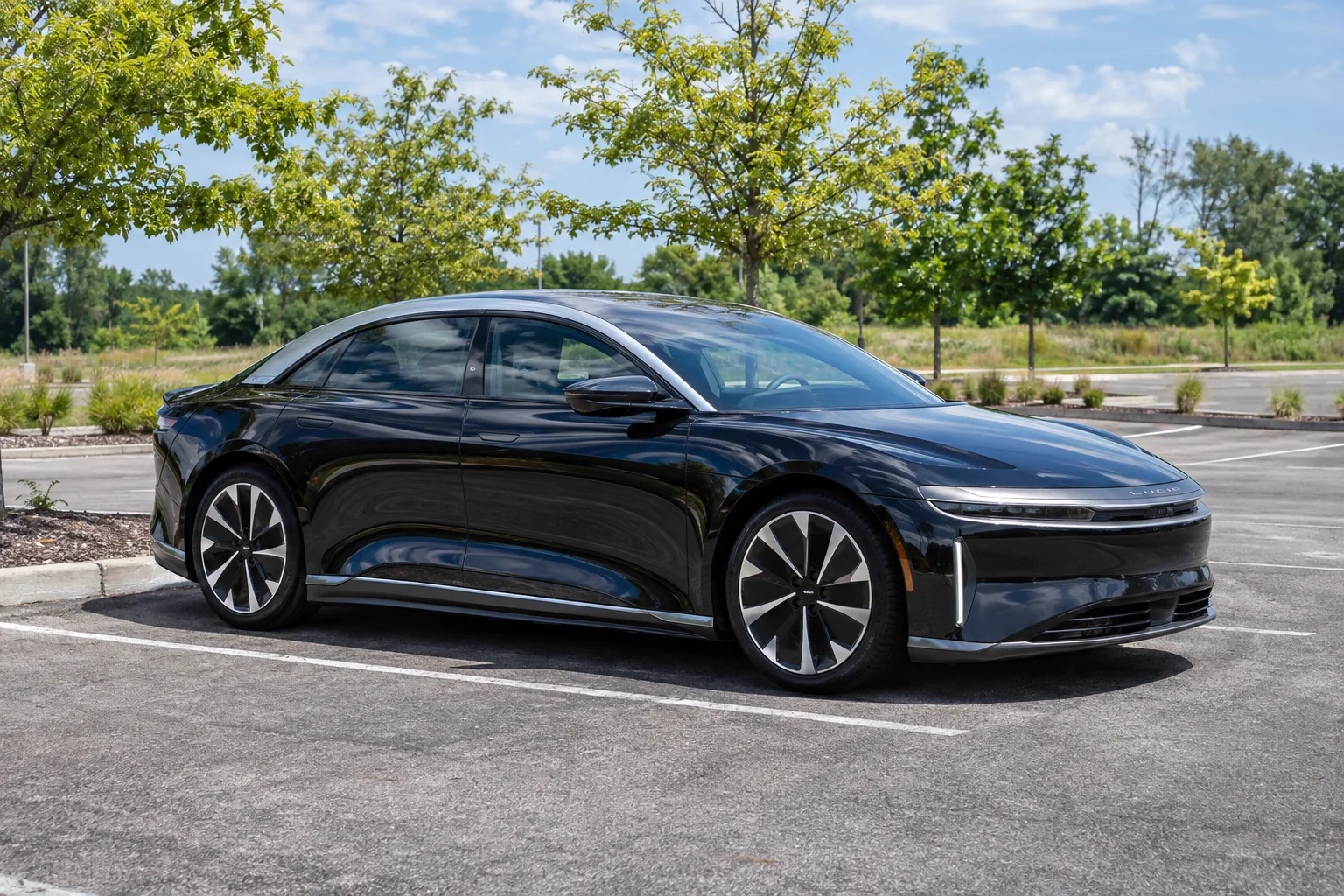
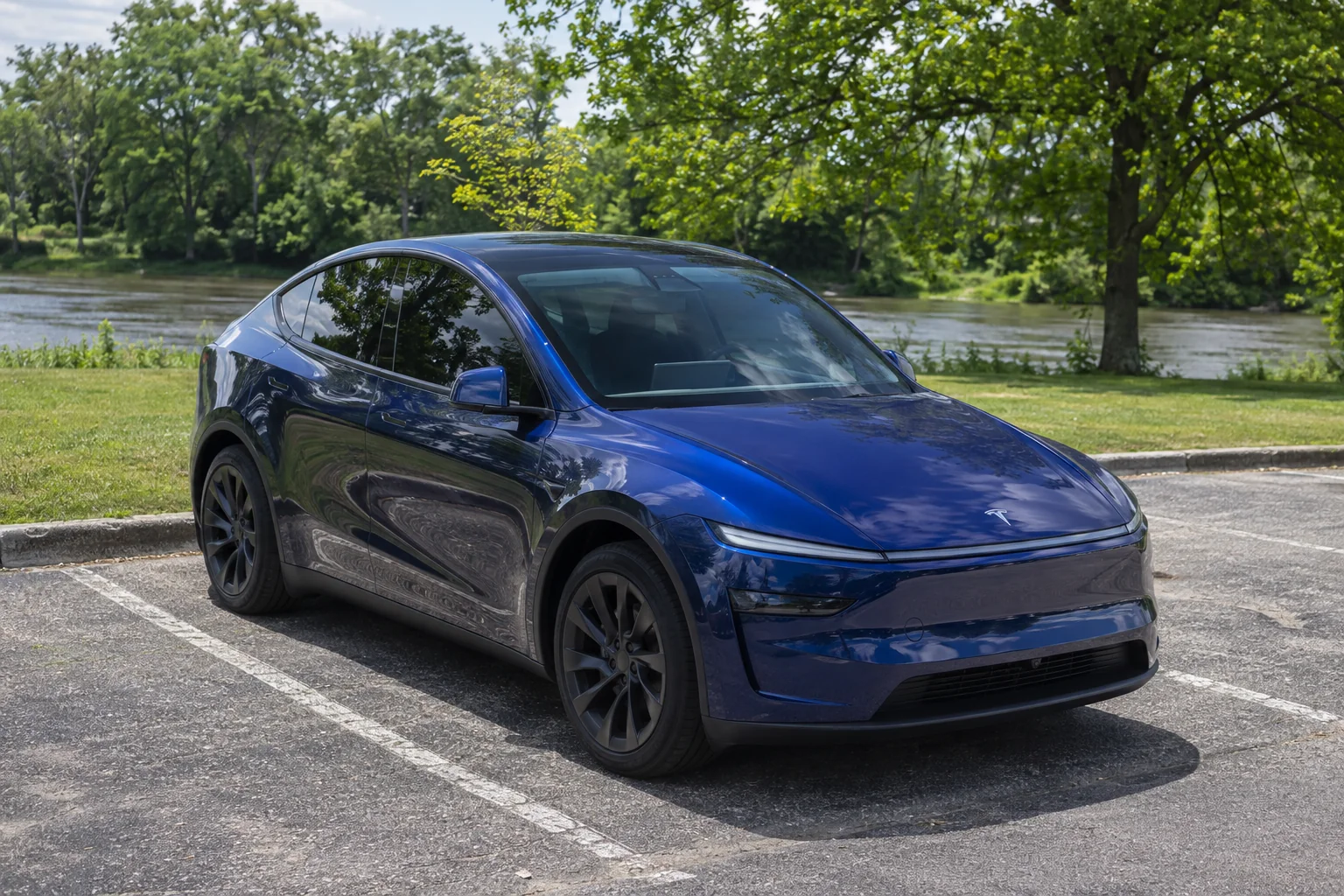
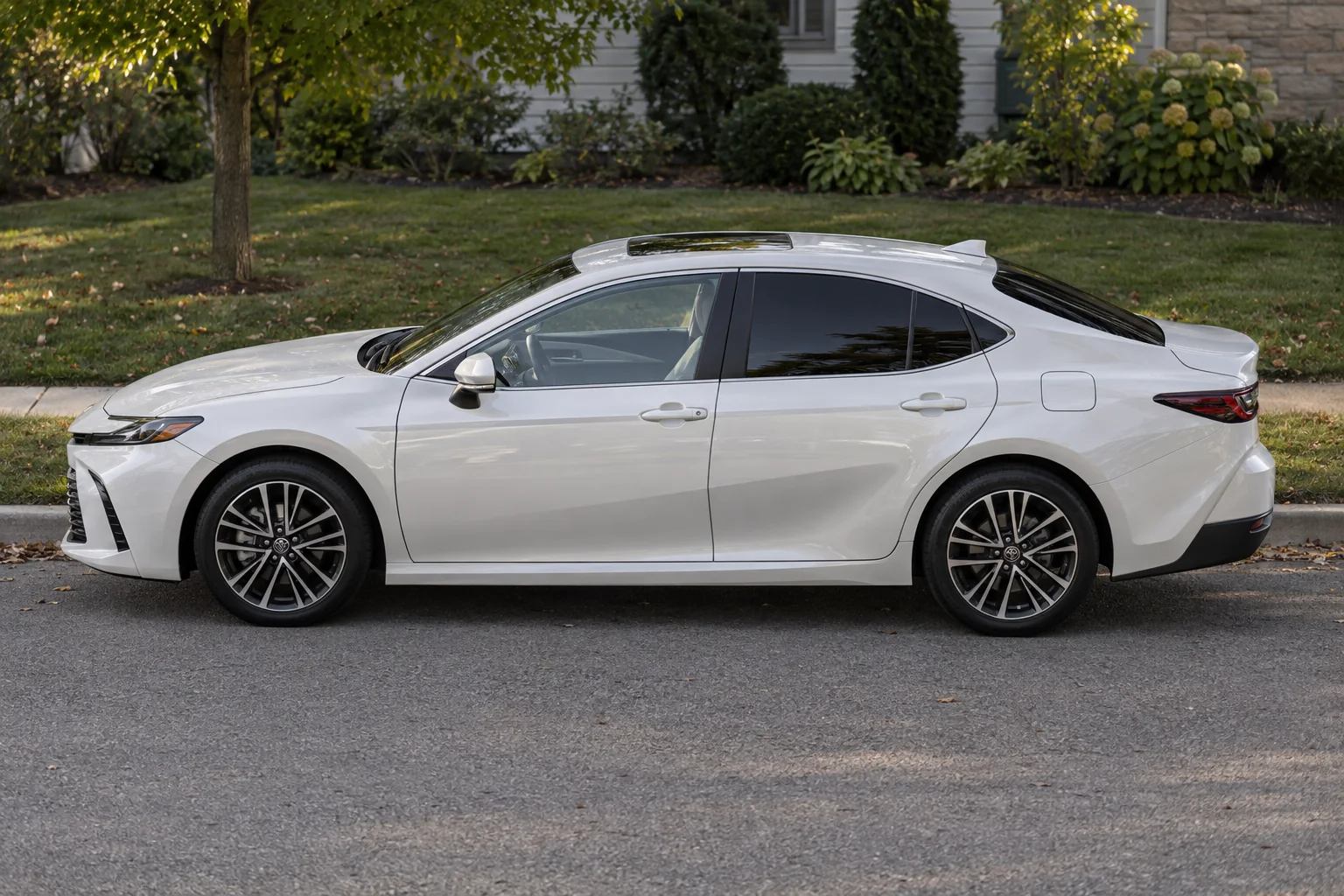


The automotive industry is constantly evolving, and one significant trend is the increasing prominence of metallic vehicles. This encompasses not only the visual appeal of metallic paints, but also the growing use of lightweight alloys and other metallic materials in vehicle construction. This shift brings about a range of advantages and challenges that warrant further examination.
and metallic vehicles
The Rise of Metallic Vehicles
Aesthetic Appeal and Market Trends
Metallic paints have long been a popular choice among car buyers, offering a sophisticated and luxurious appearance. Their shimmering effect and depth of color contribute to a vehicle’s overall aesthetic appeal. Consequently, metallic finishes remain highly sought after, driving market demand and influencing design choices across various vehicle segments. Furthermore, advancements in paint technology continue to expand the range of available metallic shades and finishes.
Structural Advantages and Material Innovation
Beyond aesthetics, the use of metallic materials in vehicle construction plays a crucial role in enhancing performance and safety. Aluminum alloys, for instance, are increasingly used in body panels and chassis due to their lightweight yet strong nature. This contributes to improved fuel efficiency, handling, and overall vehicle dynamics. Moreover, the incorporation of high-strength steel and other advanced metallic materials enhances crash safety by increasing structural rigidity and energy absorption capacity. This trend is driven by ongoing research and development in materials science.
Challenges and Future Directions
Despite the advantages, the widespread adoption of metallic materials faces certain challenges. The cost of producing and processing certain alloys can be significant, potentially impacting the overall price of vehicles. Additionally, recycling and disposing of metallic components require efficient and environmentally responsible processes. Future innovation will likely focus on developing more sustainable and cost-effective metallic materials, minimizing environmental impact while maximizing vehicle performance and safety.
Conclusion
In conclusion, the prominence of metallic vehicles is a result of both aesthetic preferences and technological advancements. The continued development and integration of lightweight yet strong metallic materials will undoubtedly shape the future of automotive engineering, leading to safer, more efficient, and more stylish vehicles.
More from the blog
See them all Union Window Films: Where Style Meets ScienceUnion Window Films Enhancing Your View Union Window Films offer a sophisticated blend of aesthetic appeal and advanced technology, transforming windows from mere panes of glass into dynamic design elements that improve energy efficiency and enhance comfort. They seamlessly integrate style and science, providing homeowners and businesses with solutions that cater to both functional and…Read more
 Discover the Hidden Benefits of Infrared-Blocking Automotive FilmsDiscover the Hidden Benefits of Infrared-Blocking Automotive Films Beyond the aesthetic appeal of tinted windows, automotive films offering infrared (IR) blocking capabilities provide a surprising array of benefits for drivers and passengers. These films go beyond simple sun shading, offering significant advantages related to comfort, vehicle protection, and even fuel efficiency. One of the most…Read more
 Drivers in Hot Climates SWEAR by This Window FilmDrivers in Hot Climates SWEAR by This Window Film Extreme heat can make driving a miserable experience, significantly impacting comfort and even safety. For drivers in hot climates, finding effective ways to cool their vehicles is paramount. Fortunately, a solution gaining popularity is advanced window film, specifically designed to combat intense solar radiation and keep…Read more