


Choosing the right window tint for your home or vehicle can significantly impact comfort, aesthetics, and energy efficiency. However, effectively communicating your preferences to an installer is crucial for achieving the desired results. This requires clear articulation of both technical specifications and personal tastes.
How to explain your tint preferences to an installer
Communicating Your Window Tint Preferences
Understanding Tint Specifications
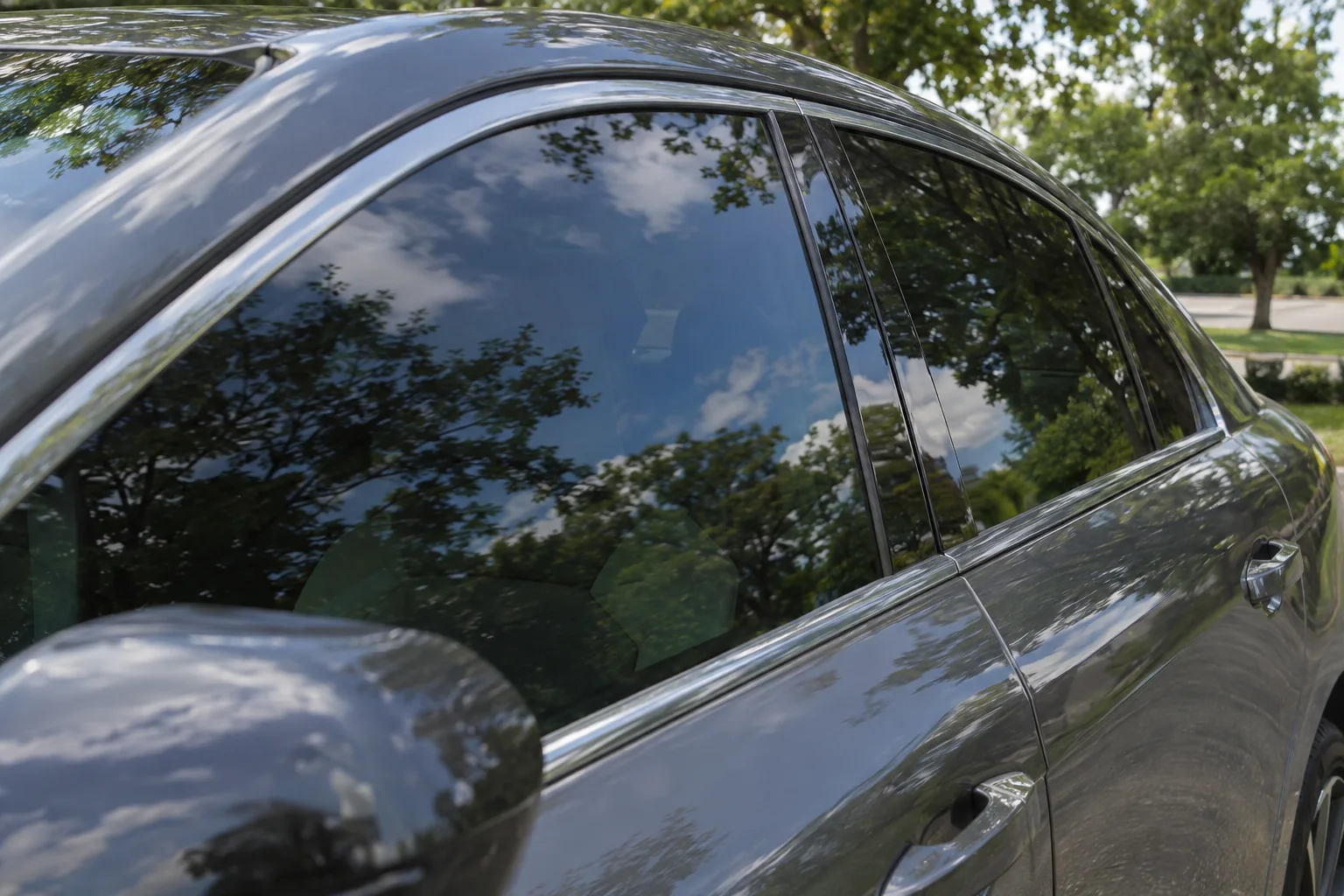
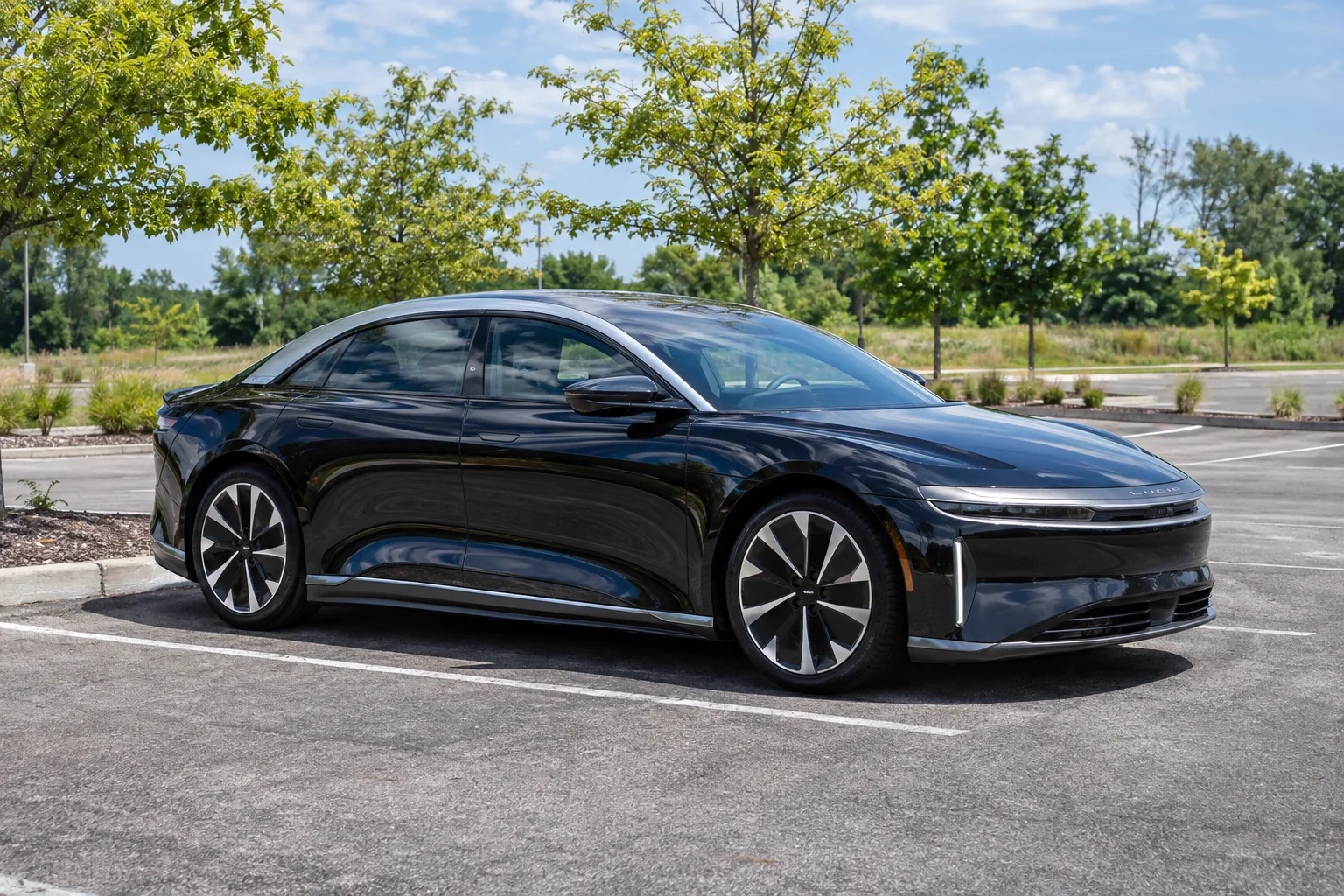
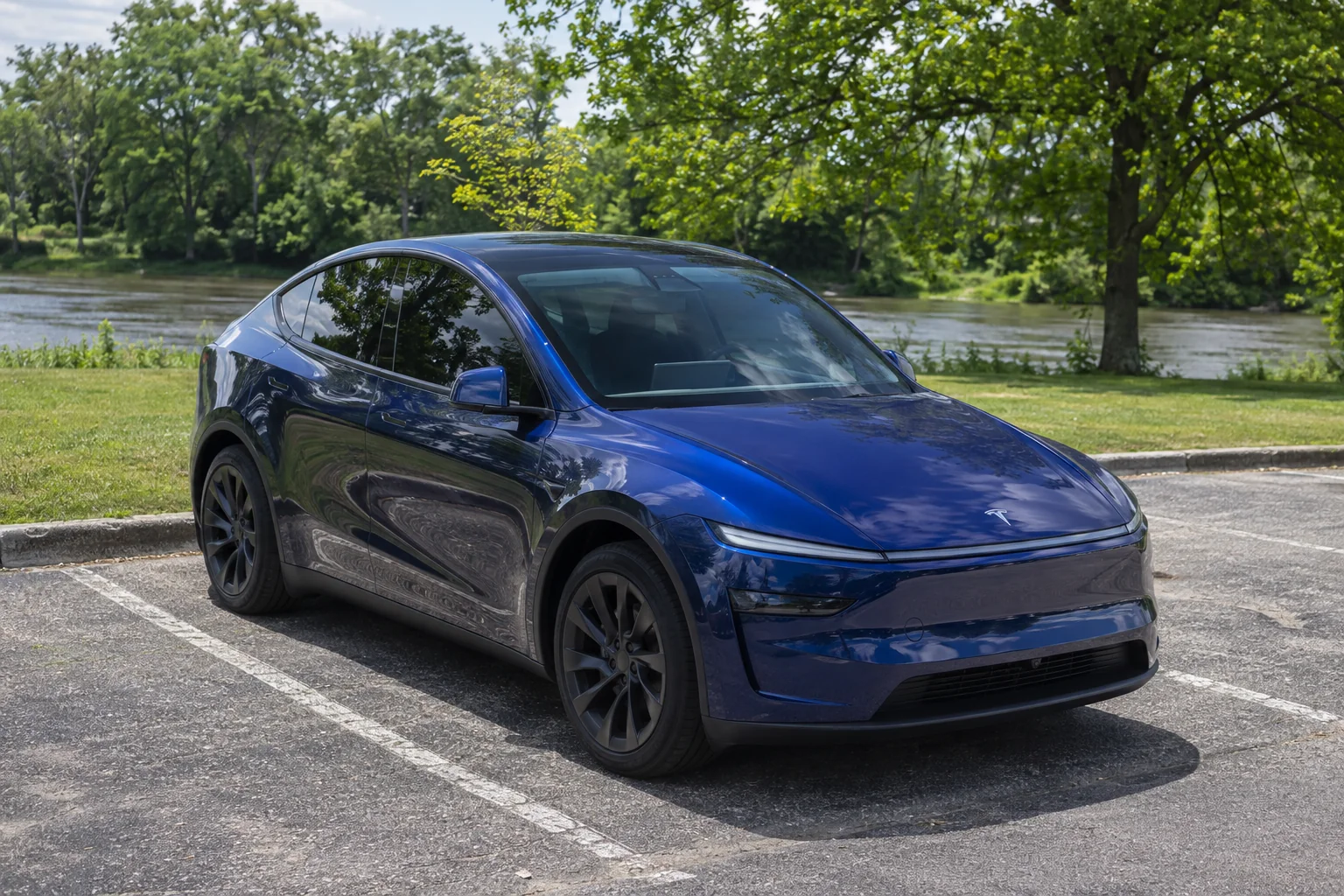
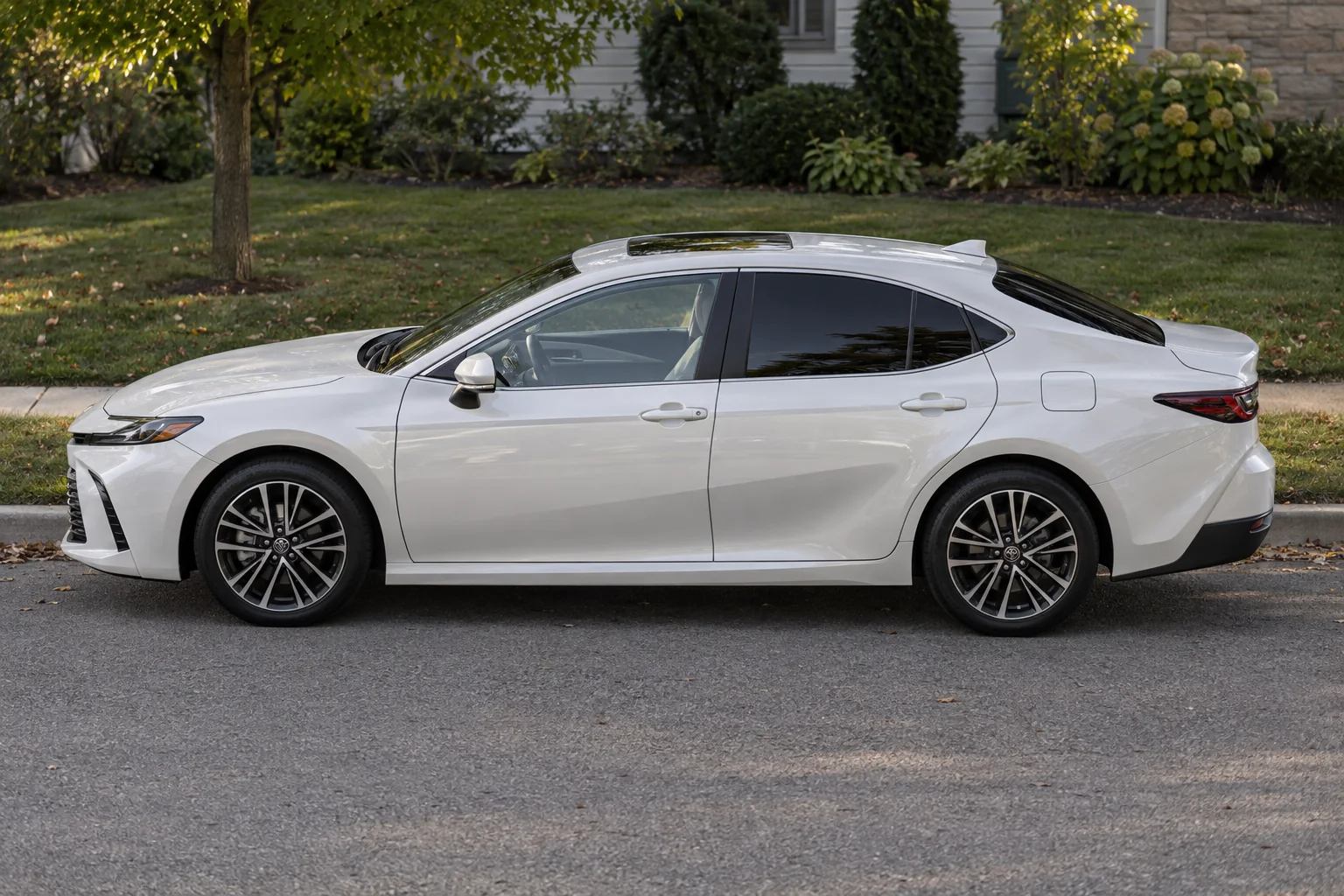
Before your consultation, research different tint types, such as ceramic, carbon, or dyed films. Each offers unique benefits and drawbacks concerning heat rejection, UV protection, and visibility. Determine your priority – is maximum heat reduction paramount, or is a specific level of visible light transmission (VLT) more important? Knowing the VLT percentage you desire—a number expressing the percentage of light that can pass through the film—will be particularly helpful. Furthermore, research the different shades of tint available and decide whether you prefer a neutral, metallic, or colored appearance. Bringing visual examples, such as photos of tinted windows you like, assists the installer in understanding your vision.
Effective Communication with the Installer
During the consultation, clearly articulate your priorities. Explain the primary reasons for wanting window tint, whether it’s for heat reduction, privacy, UV protection, or aesthetic enhancement. Use precise language when describing your desired level of darkness or tint color. For instance, instead of saying “I want it dark,” specify a preferred VLT percentage. Don’t hesitate to ask questions about the various options and their respective properties. Clarify any concerns you might have about the installation process itself, such as potential damage to your windows. An experienced installer will appreciate your detailed approach and help you select the perfectly suited tint.
Ensuring Satisfaction
To summarize, effective communication is key to ensuring the window tinting project meets your expectations. By understanding the technical specifications of different films and articulating your preferences clearly, you are setting the stage for a successful installation. Remember to bring any visual aids and to ask clarifying questions to solidify your decisions. This approach will ensure a positive experience and ultimately, windows that beautifully and effectively serve your needs.
More from the blog
See them all Union Window Films: Where Style Meets ScienceUnion Window Films Enhancing Your View Union Window Films offer a sophisticated blend of aesthetic appeal and advanced technology, transforming windows from mere panes of glass into dynamic design elements that improve energy efficiency and enhance comfort. They seamlessly integrate style and science, providing homeowners and businesses with solutions that cater to both functional and…Read more
 Discover the Hidden Benefits of Infrared-Blocking Automotive FilmsDiscover the Hidden Benefits of Infrared-Blocking Automotive Films Beyond the aesthetic appeal of tinted windows, automotive films offering infrared (IR) blocking capabilities provide a surprising array of benefits for drivers and passengers. These films go beyond simple sun shading, offering significant advantages related to comfort, vehicle protection, and even fuel efficiency. One of the most…Read more
 Drivers in Hot Climates SWEAR by This Window FilmDrivers in Hot Climates SWEAR by This Window Film Extreme heat can make driving a miserable experience, significantly impacting comfort and even safety. For drivers in hot climates, finding effective ways to cool their vehicles is paramount. Fortunately, a solution gaining popularity is advanced window film, specifically designed to combat intense solar radiation and keep…Read more