



Will window tinting affect my car insurance
Many car owners consider window tinting to enhance their vehicle’s appearance and improve comfort by reducing glare and heat. However, a question that often arises is whether this modification will impact their car insurance premiums. The answer, unfortunately, isn’t a simple yes or no.
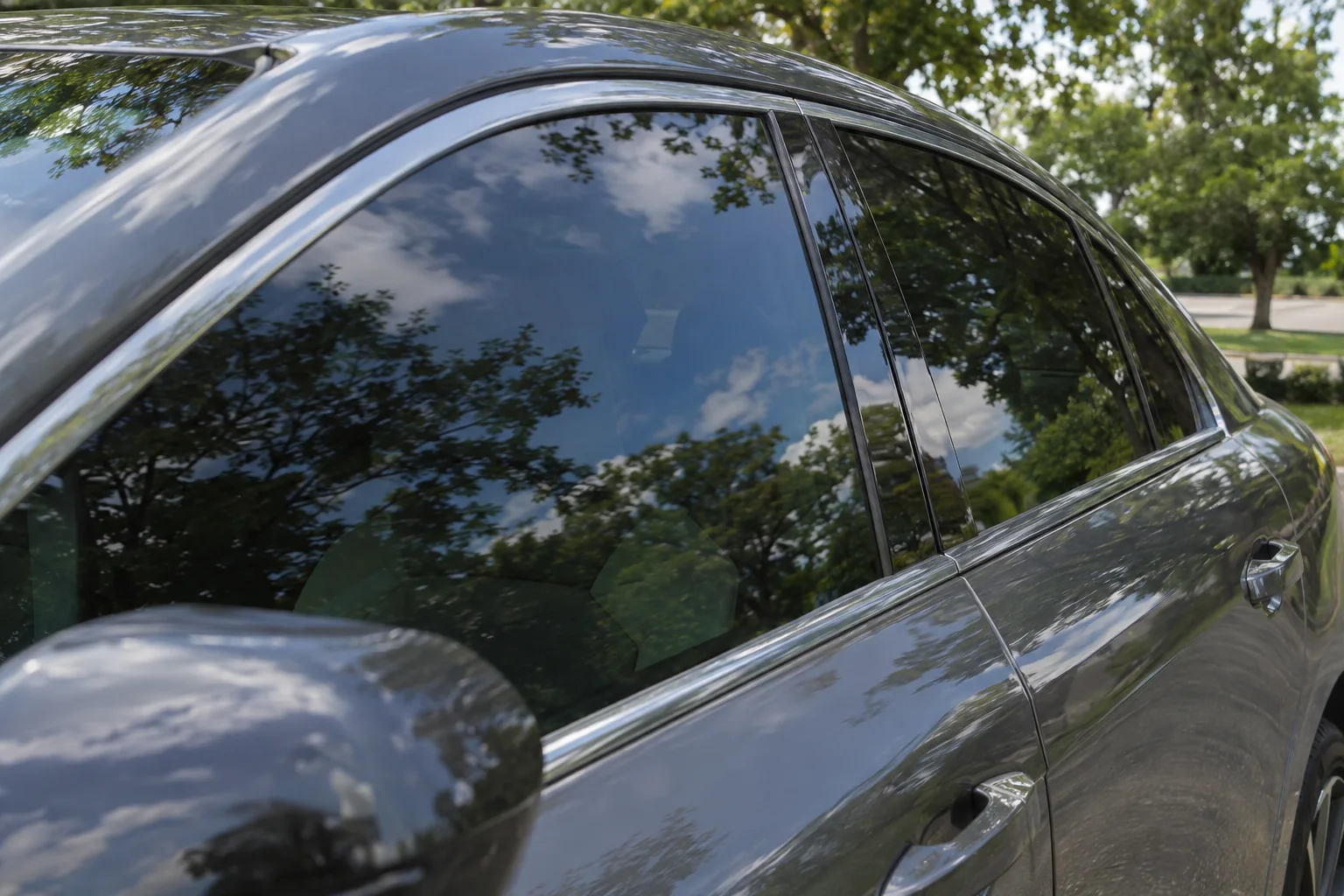
The effect of window tinting on your car insurance depends on several factors. Firstly, the darkness of the tint plays a significant role. In some jurisdictions, excessively dark tints that impede visibility are illegal. If your tint violates local laws, your insurance company might deem your vehicle unsafe, leading to higher premiums or even policy cancellation. This is because increased risk of accidents due to reduced visibility is a significant concern for insurers.
Secondly, the insurance company itself is a factor to consider. Each company has its own underwriting guidelines and policies regarding vehicle modifications. Some might not consider window tinting a factor at all, while others may increase premiums if they perceive an added risk. It’s highly recommended to contact your insurer directly before tinting your windows to inquire about potential ramifications.
Furthermore, the type of insurance coverage also matters. Comprehensive or collision insurance, which covers damage to your vehicle, might be affected more significantly by the presence of aftermarket modifications such as window tint compared to liability-only coverage. It’s essential to understand your insurance policy’s fine print in this regard.
In conclusion, while window tinting itself doesn’t automatically increase car insurance premiums, its legality and the insurance company’s specific policies are key determinants. It is crucial to check local laws on window tint darkness and to contact your insurer directly to determine if the modification would affect your rates before proceeding with the installation. Failing to do so may result in unexpected costs or even policy complications.


